
Health article
Diabetic neuropathy: foot numbness, tingling and when to get checked
By Pamer Chiropractic Health Center, Akron, Ohio
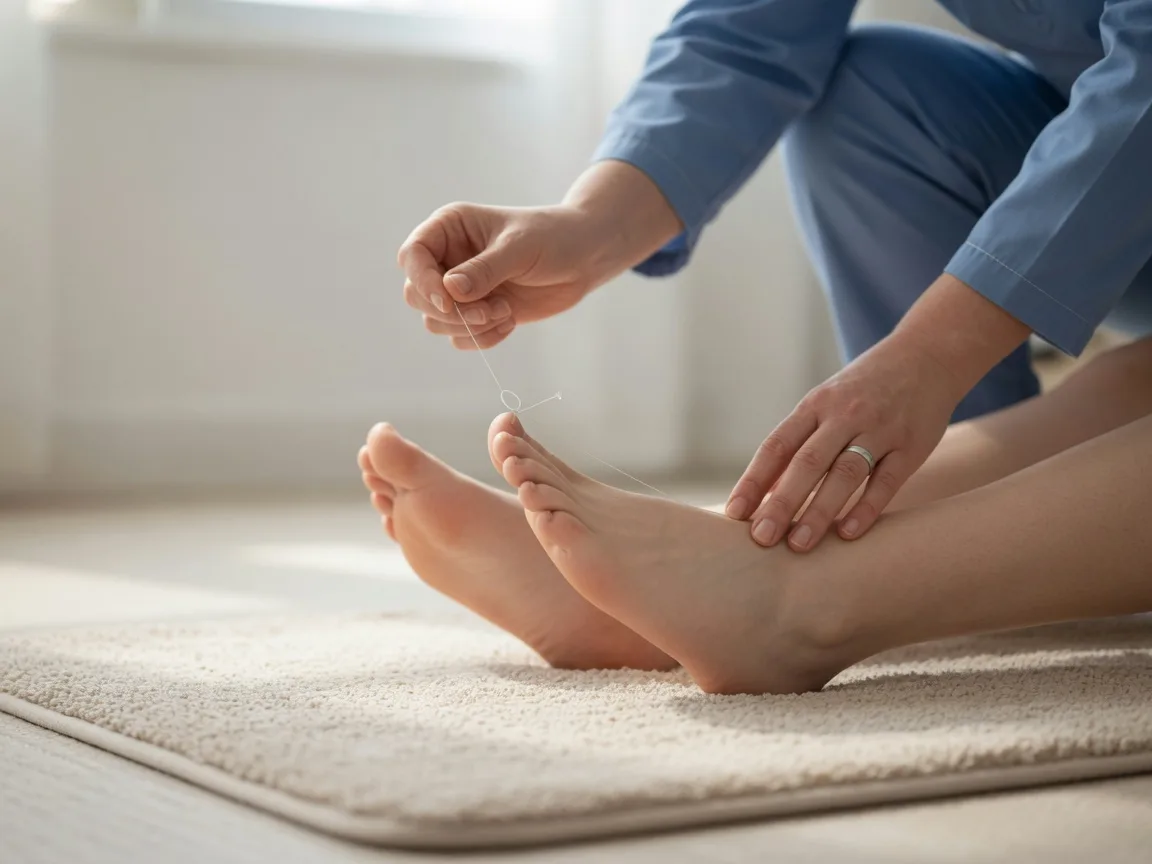
Foot numbness, tingling, burning or a reduced sense of feeling can be an early sign of diabetic neuropathy, especially in people who have had diabetes for several years. It matters because a numb foot can be injured without being noticed, and that is how small problems turn into bigger ones. At Pamer Chiropractic Health Center, 3485 Fortuna Dr, Suite 300, Akron, OH, Dr. Andrew Pamer, DC evaluates neuropathy symptoms and works alongside your primary care provider. Request an Appointment online or call (330) 724-9331.
What diabetic neuropathy is and why it matters
Diabetic neuropathy is nerve damage linked to diabetes, most often felt in the feet and legs and sometimes the hands. High blood glucose over time is associated with damage to the small nerve fibers, and the feet are usually the first place symptoms appear. Ohio's state health department reports that more than 1.2 million Ohio adults have been diagnosed with diabetes, so this is a concern that touches many local families.
The real worry with numbness is safety, not just comfort. Reduced feeling means you may not notice a blister, a cut or a too-tight shoe, and that can lead to infection. This is why annual foot exams and daily self-checks are so important for people with diabetes.
Early signs to watch for
Common early signs include numbness, tingling that feels like pins and needles, burning, sharp or shooting pain, and weakness in the feet. Symptoms are often worse at night and usually affect both feet. Some people have nerve damage with no symptoms at all, which is why routine screening matters. For a broader look, see our article on early signs of peripheral neuropathy.
What the clinic's evaluation looks like
Dr. Pamer starts with a conversation about your health history, including your diabetes care, then checks sensation, balance and how your feet respond to touch and vibration. The goal is to understand your symptoms and identify what may be contributing.
Neuropathy is usually managed by your primary care provider and, when needed, a specialist such as a podiatrist or neurologist. Chiropractic care is complementary, not a replacement for that medical care, which is why we stress coordinated neuropathy care.
Non-surgical care options that may help
Depending on your exam, care at the clinic may include Class IV laser therapy through the ReliefNow Laser Method, physiotherapy for balance and strength, and home recommendations for foot care and movement. These options may support comfort and function, and individual results vary.
Coordinate any new care with your primary care provider, especially if you have diabetes, and check your feet daily. A wound that is not healing needs medical attention right away.
When to seek medical care right away
Call your doctor or podiatrist promptly for a cut, blister or sore on your foot that is red, warm, draining or not healing. See emergency care for sudden weakness, chest pain, or any wound with signs of serious infection. For emergencies, call 911.
Insurance questions? Medicare and many insurance plans are accepted, including Medical Mutual and CareSource plans. Coverage varies by plan, and we are happy to help you check your benefits on our insurance and financing page or by calling (330) 724-9331.
What this means for you
If you have diabetes and notice numbness, tingling or burning in your feet, mention it at your next medical visit and ask about a comprehensive foot exam. Early attention is the single most useful step, and complementary non-surgical care may have a role after your medical team weighs in.
When to see a chiropractor or doctor
See your doctor or podiatrist right away for a foot wound that is not healing or shows signs of infection, and keep up with your annual foot exam. For sudden weakness, chest pain or an emergency, call 911.
Sources
Common questions
Is foot numbness always a sign of neuropathy?
Not always, but it is a common early sign, especially with diabetes. An exam can help identify the cause.
Can chiropractic care reverse diabetic neuropathy?
No provider can promise to reverse nerve damage. Care at the clinic is supportive and may help with comfort and function, and results vary.
Do I need to see my primary care doctor first?
It is wise to coordinate with your primary care provider, especially for diabetes care and any foot wound. Chiropractic care is complementary.
What should I do if I find a sore on my foot?
Clean it gently, cover it, and call your doctor or podiatrist the same day, especially if it is red, warm or not healing.
Does the clinic accept Medicare for neuropathy care?
Medicare and many insurance plans are accepted, including Medical Mutual and CareSource plans. Coverage varies by plan. Call (330) 724-9331 and we will help you check your benefits.
How do I book an appointment?
Request an Appointment online or call (330) 724-9331. Financing is also available through Cherry and CareCredit for care outside of insurance.
Last updated October 2026