
Health article
Falls and balance problems in older adults: what helps and when to get checked
By Pamer Chiropractic Health Center, Akron, Ohio
Falls are the leading cause of injury for adults 65 and older, yet most falls can be prevented, and unsteadiness is not simply a normal part of aging you have to accept. Strength and balance exercise, a review of medicines, and regular check-ins with a health care provider all reduce fall risk. At Pamer Chiropractic Health Center, 3485 Fortuna Dr, Suite 300, Akron, OH, Dr. Andrew Pamer, DC evaluates the joints, gait and foot sensation that support balance, and coordinates with your primary care provider. Request an Appointment online or call (330) 724-9331.
Falls are common, but they are not a normal part of aging
The CDC reports that more than one in four adults over 65 falls each year, and falls are the leading cause of injury and injury-related death in that age group. Even more striking: fewer than half of older adults who fall tell their doctor, and falling once roughly doubles the odds of falling again.
The CDC is direct about the flip side: falls are preventable. That message matters, because it means an honest conversation about balance is a step you can take this month rather than something to wait for.
Why balance changes as we get older
Balance is a team effort among the muscles that hold you upright, the joints of the feet, ankles, knees, hips and spine, the sensation in your feet, vision, and the inner ear. Age can change several of these at once, and medicines, dehydration and other health conditions can add to the mix.
Because balance problems are usually multifactorial, the best approach is usually a plan rather than a single fix: exercise for strength and balance, a medication review, a vision check, and small home safety changes.
What the CDC recommends to prevent falls
The CDC's guidance for older adults starts with strength and balance exercises, such as tai chi or a balance and strength class designed by a physical therapist. It also recommends reviewing medicines with a doctor or pharmacist to catch ones that cause dizziness or drowsiness, checking vision at least once a year, and talking with your provider about fall risk at least once a year.
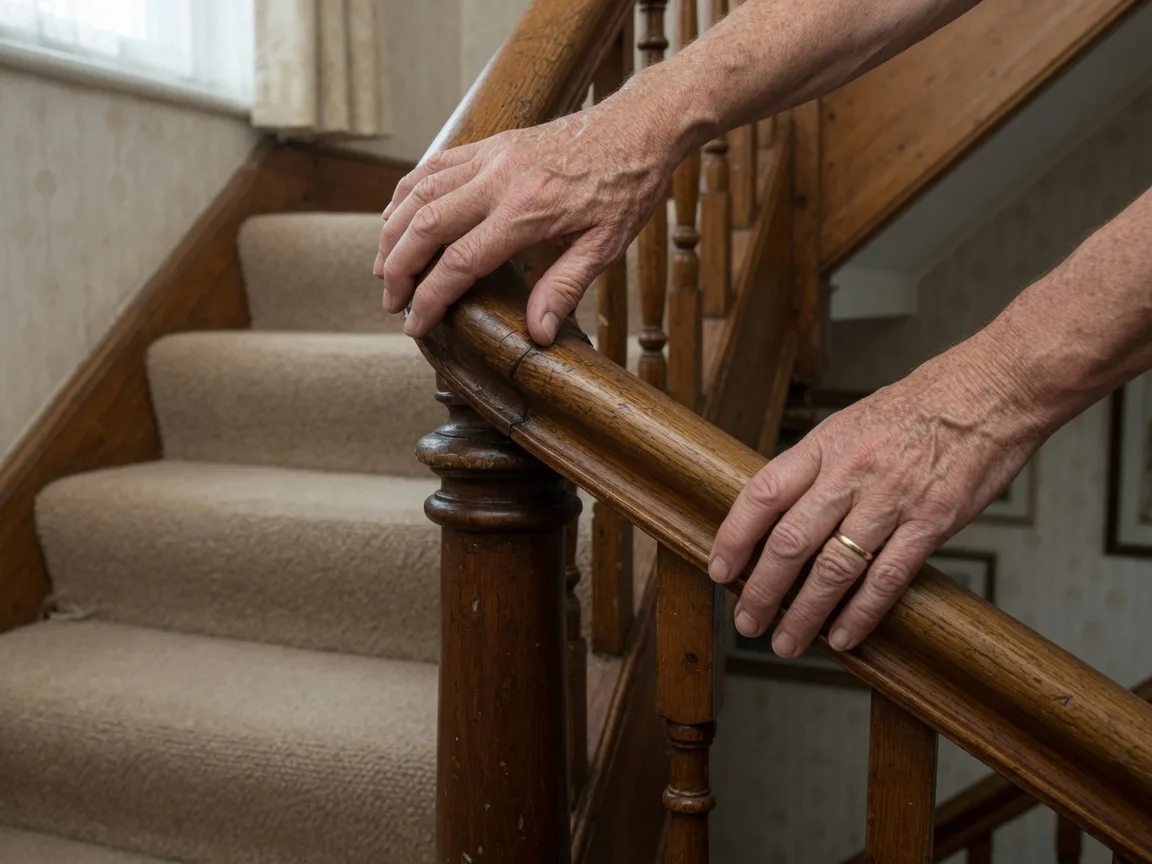
Simple everyday habits help too: keeping floors clear of clutter and cords, using railings, wearing supportive shoes, and taking your time when standing up.
How chiropractic care and physiotherapy fit in
Stiffness in the spine, hips or ankles can change the way you stand and walk, and pain can make you move more cautiously, which itself raises fall risk. Chiropractic care can address that stiffness, and physiotherapy at the clinic adds guided exercises for strength and balance.
When nerve problems in the feet play a role, peripheral neuropathy care includes sensation and balance testing and coordination with your primary care provider, especially when diabetes is involved. Medicare and many insurance plans are accepted, including Medical Mutual and CareSource plans, and patient financing is available through Cherry and CareCredit; call (330) 724-9331 to check your benefits. Our article on chiropractic care for seniors goes into more depth for Medicare patients.
When to get checked
You do not need to wait for a fall to bring up balance. Tell your provider if you have felt unsteady standing or walking, if you worry about falling, or if you have already fallen, even if you were not hurt.
Ask about a yearly fall risk review, and take your provider up on it. Most of what lowers fall risk, exercise, medication reviews and small home changes, is well within reach.
What this means for you
Balance problems are not something to live with quietly. A yearly conversation with your provider, strength and balance exercise, and care that keeps the joints and feet that support you working well are practical steps you can start now. The clinic's role is to evaluate the musculoskeletal side of balance and point you to the right next step, including your primary care provider when needed.
When to see a chiropractor or doctor
Check in with your primary care provider after any fall, even if you were not hurt, and mention unsteadiness when standing or walking, or if you worry about falling. Sudden weakness, dizziness with chest pain, fainting or loss of consciousness is urgent: call 911. Ask your doctor or pharmacist to review medicines that can cause dizziness or drowsiness, and have your vision checked at least once a year.
Sources
Common questions
Is losing my balance a normal part of aging?
Unsteadiness is common, but it is not inevitable, and most causes are addressable. Strength and balance exercise, a medication review and a vision check are all proven ways to lower fall risk.
Can chiropractic care help prevent falls?
It may, when stiff joints or pain change the way you stand and walk. Chiropractic care and physiotherapy are part of a broader plan that includes exercise and coordination with your primary care provider.
Does Medicare cover chiropractic care?
Medicare covers chiropractic adjustments in specific circumstances, and coverage varies by plan. Call (330) 724-9331 and we will help you check your benefits.
What should I do right after a fall?
Tell your primary care provider even if you were not hurt, and watch for new pain, bruising or weakness. If you hit your head, feel dizzy or have chest pain, get urgent care.
How do I book an appointment?
Request an Appointment online or call (330) 724-9331. The office is at 3485 Fortuna Dr, Suite 300, Akron, OH 44312.
Last updated October 2026