Health article
Class IV laser therapy for knee and joint pain: what to expect
By Pamer Chiropractic Health Center, Akron, Ohio
Class IV laser therapy is a non-invasive treatment that delivers light energy into the tissues around a painful joint, and it may help reduce pain and inflammation while supporting the body's natural recovery. Research reviews find it can offer short-term pain relief for knee osteoarthritis, especially when combined with exercise, though guidelines remain cautious and it does not reverse joint damage. At Pamer Chiropractic Health Center in Akron, OH, Dr. Andrew Pamer, DC, offers Class IV laser therapy through the ReliefNow Laser Method, and the exam determines whether it fits your care plan. Request an Appointment online or call (330) 724-9331.
What is Class IV laser therapy?
Class IV refers to the power of the laser. A Class IV medical laser is FDA-cleared to deliver light energy deep into tissue, where it is absorbed and may help lower pain and inflammation and support the body's own repair process. Sessions are short, non-invasive and comfortable for most people; you feel warmth from the handpiece, not a shock.
It is a different power class from low-level or cold laser therapy. The Class IV versus cold laser article explains the difference neutrally, including what power class means in practice.
What does the research show for knee and joint pain?
Recent reviews give an honest, mixed picture. A 2024 systematic review and network meta-analysis found that high-intensity laser therapy combined with exercise reduced pain and improved function in knee osteoarthritis, with the combination showing stronger longer-term benefit. A 2023 meta-analysis of nine trials reached a similar conclusion for knee pain.
At the same time, major clinical guidelines such as NICE in the UK do not recommend electrotherapy treatments, including laser, as a standard osteoarthritis treatment, citing limited evidence, and the American Academy of Orthopaedic Surgeons gives laser only a limited-strength recommendation. The fair summary: laser therapy may help some people with joint pain, especially short-term and alongside exercise, and individual results vary. No one can promise a specific outcome.
How laser therapy fits with other care at the clinic
Laser therapy is rarely a standalone answer. At Pamer Chiropractic it is part of the ReliefNow Laser Method program and is often combined with chiropractic care, physiotherapy-style exercise and home habits, because movement and strengthening are what protect a joint over time.
The clinic commonly sees people with knee, shoulder and other joint pain, and the arthritis and joint pain page describes how these conditions are approached. An exam comes first, and not everyone is a candidate.
What a laser session looks like at the clinic
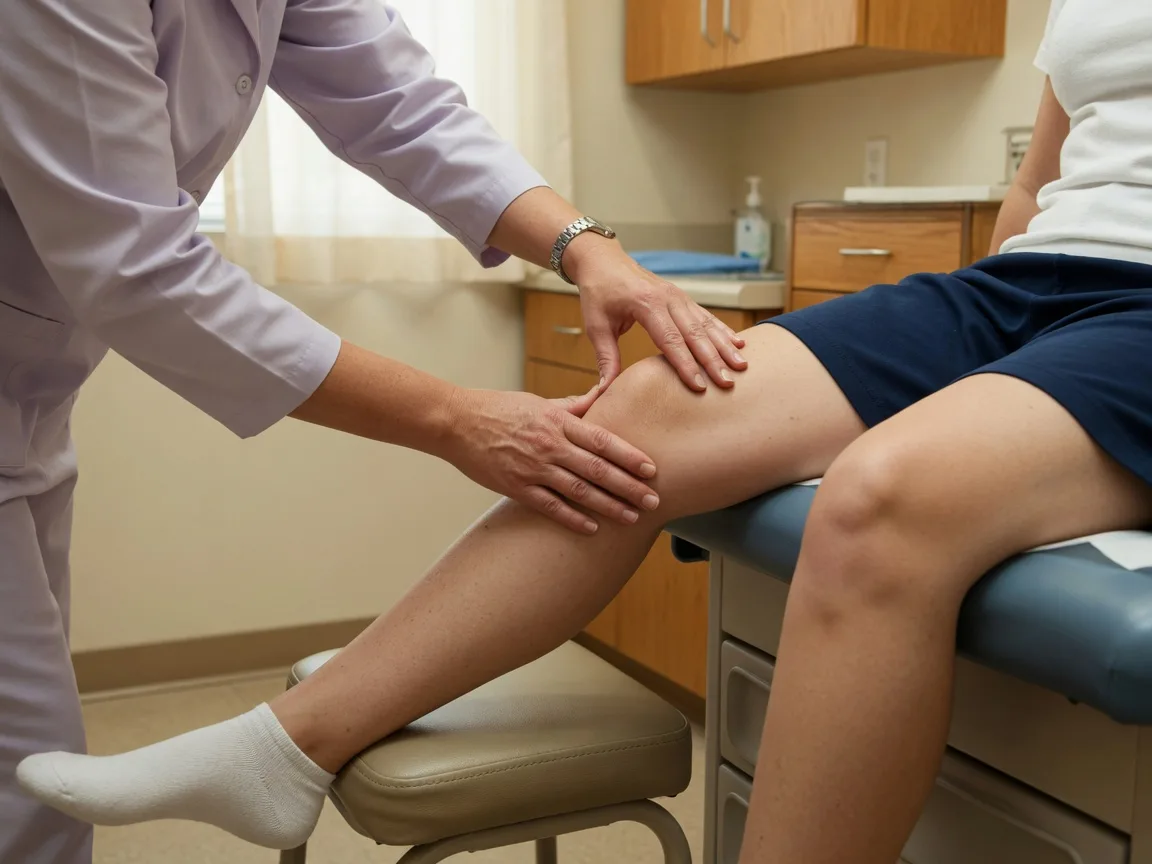
Your first step is an exam and a conversation about your joint pain: what started it, what makes it worse, and what your goals are. If laser therapy is part of your plan, sessions are typically short, with the handpiece moved over the area, and you can return to your day afterward with no downtime.
Plans are a series of sessions rather than a single appointment, and the number depends on your exam and response. Progress is reviewed at every visit and the plan is adjusted honestly if something is not working.
Who may not be a candidate
Candidacy is decided by the exam. Laser therapy may not be appropriate directly over the eyes, over some areas during pregnancy, or in some situations involving cancer at the treatment site, and certain medical conditions or medications can change the picture. Dr. Pamer will tell you directly whether laser therapy fits, and if it does not, another service may.
A joint that is swollen, hot or red, or painful after an injury, should be checked before any treatment, because those signs can point to something other than wear-and-tear joint pain.
Insurance, Medicare and paying for care
The clinic accepts Medicare and many insurance plans, including Medical Mutual and CareSource plans. Coverage varies by plan, so the front desk helps you check your benefits before you start. For care outside insurance, financing is available through Cherry and CareCredit and self-pay options exist. The insurance and financing page has the details.
What this means for you
Laser therapy is one tool, and it works as part of a plan that includes movement and honest expectations. If knee or joint pain has been limiting you, an evaluation is a reasonable next step: request an appointment online or call (330) 724-9331, and Dr. Pamer will explain what may help and why.
When to see a chiropractor or doctor
See a medical provider promptly if a joint is severely swollen, hot and red, if you cannot bear weight on it, or if pain follows an injury and does not improve. Call 911 for chest pain, sudden shortness of breath, or symptoms of a blood clot such as an unexplained swollen, warm leg.
Sources
Common questions
Does laser therapy hurt?
Most people feel warmth or a mild sensation from the handpiece and find sessions comfortable. There is no downtime, and you can go back to your day afterward.
How many laser sessions will I need for knee pain?
Plans are built around your exam and response, and progress is reviewed at every visit. Dr. Pamer will outline a plan after your evaluation.
Is Class IV laser therapy safe?
For the right candidate, yes. Candidacy is decided by an exam, and the laser is not used in certain situations, such as directly over the eyes or in some cases during pregnancy.
Will laser therapy make arthritis go away?
No. It may help reduce pain and inflammation for some people, but it does not reverse joint damage. Honest expectations are part of the plan.
Can I combine laser therapy with chiropractic adjustments?
Often, yes. Care at the clinic is coordinated, and many plans combine laser therapy with chiropractic care, physiotherapy-style exercise and home habits based on the exam.
Last updated October 2026