Health article
Can Class IV laser therapy help sciatica? What Akron patients should know
By Pamer Chiropractic Health Center, Akron, Ohio
Class IV laser therapy may help reduce the pain and disability of sciatica when it is used as part of a care plan, and recent reviews suggest it works best combined with physical therapy. It is not a standalone cure, and sciatica is a symptom with many causes, so an exam comes first. At Pamer Chiropractic Health Center in Akron, OH, the ReliefNow Laser Method uses an FDA-cleared Class IV medical laser, and Dr. Andrew Pamer explains whether it fits your situation; call (330) 724-9331. Patients from Green, North Canton, Uniontown, Cuyahoga Falls, Barberton and other communities across Summit, Stark and Medina counties are welcome at the Akron office.
What is sciatica, exactly?
Sciatica is not a single condition; it is a symptom: pain that follows the path of the sciatic nerve, from the lower back or buttock down the back of the leg, sometimes with numbness, tingling or weakness. The most common cause is a disc or bone spur pressing on a nerve root in the lower spine.
Because the cause matters, the first step is identifying what is pressing on the nerve. That is why a history and exam, with imaging when needed, come before any treatment decision.
How does Class IV laser therapy work?
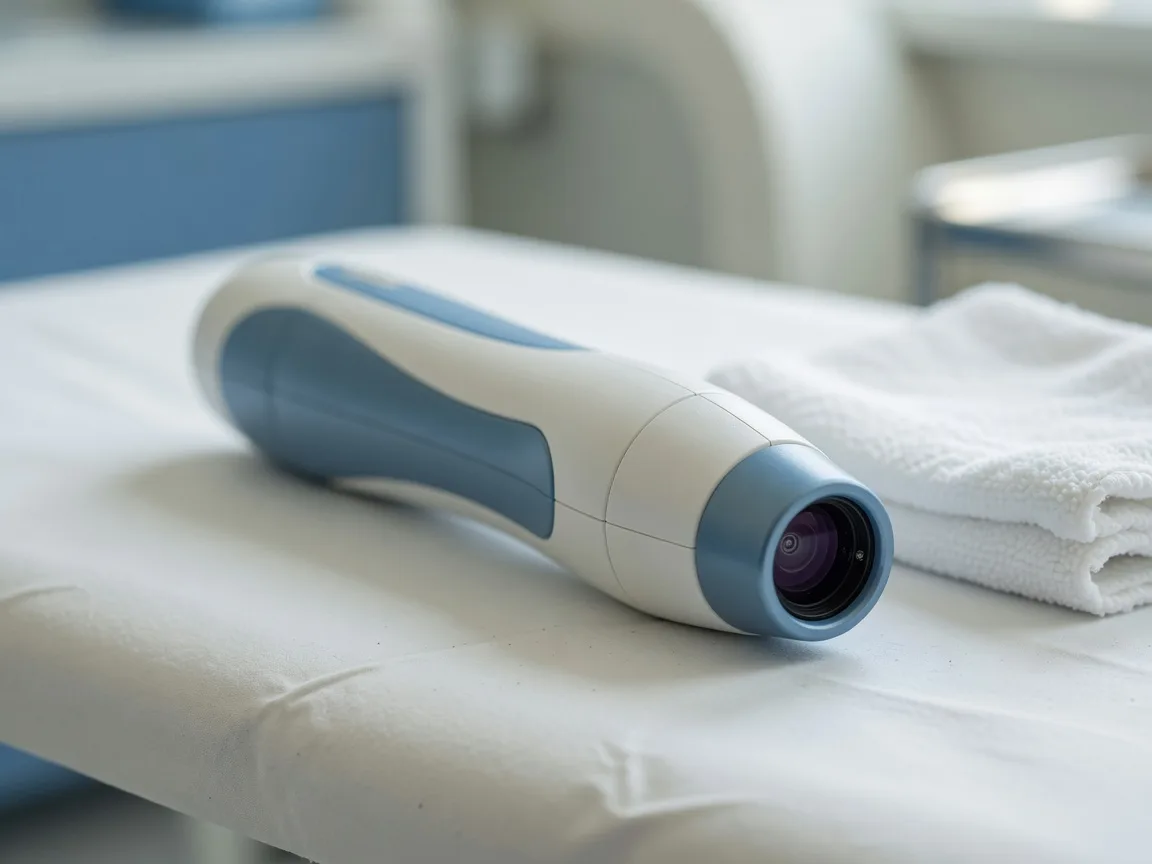
A Class IV laser is a higher-power medical laser, cleared by the FDA for therapeutic use, that delivers light energy into tissue beneath the skin. Used over the lower back, buttock or leg, it may help reduce pain and inflammation and support the body's own recovery processes.
Sessions are short, non-invasive and painless for most people, and there are no needles or medications involved. It is often described as a feeling of gentle warmth at the treatment site.
What does the research say about laser for sciatica?
A 2025 systematic review with meta-analysis in Lasers in Medical Science pooled 18 randomized trials covering 1,095 people with spinal radiculopathy, which includes sciatica from lumbar disc problems. It found that high-intensity laser therapy significantly reduced pain and disability compared with placebo, and the effects were largest when laser was combined with physical therapy.
The same review rated the overall certainty of the evidence as limited to moderate, and a 2023 meta-analysis of high-intensity laser for musculoskeletal pain found benefit while noting that protocols matter. The honest summary: laser therapy may help, especially as part of a broader plan, and individual results vary.
What does laser therapy feel like, and how long does it take?
A typical session is short, often well under 20 minutes, and you simply lie still while the handpiece is moved over the treatment area. Most people feel warmth; some feel nothing at all.
The number of sessions depends on your exam and your response. Progress is reviewed at every visit, and the plan changes if something is not working.
How does it fit into a care plan at the clinic?
Laser therapy is rarely the whole plan. At the clinic it can be combined with chiropractic care, physiotherapy and, for disc-related cases, the LaserDisc Non-Surgical Spinal Decompression program, which pairs decompression with laser therapy as part of the ReliefNow Laser Method.
The sciatica condition page walks through how the clinic evaluates nerve-related leg pain, and the laser safety FAQ answers common questions about the treatment.
Who may not be a good candidate?
Candidacy is decided by the exam, not a brochure. Some situations, such as certain cancers, pregnancy over the treatment area, or photosensitive conditions, may mean laser is not appropriate for you.
Sciatica can also be caused by conditions that need a different kind of care, which is another reason the evaluation comes first. Co-management with your primary care provider is part of the picture when your situation calls for it.
When to seek medical care right away
Call 911 or go to an emergency room for sudden weakness in a leg, loss of bladder or bowel control, numbness in the groin or saddle area, or severe pain after a major fall or crash. These are emergency signs, not reasons to wait.
For stable sciatica that has not improved, an evaluation with Dr. Pamer is a reasonable next step. Insurance and financing details, including self-pay options and Cherry and CareCredit, are on the insurance and financing page.
What this means for you
If sciatica is slowing you down, laser therapy is one of several tools that may help, especially when paired with chiropractic care or physiotherapy. The evidence is promising but not absolute, which is exactly why your exam, and not a headline, should decide the plan. Start with an evaluation and go from there.
When to see a chiropractor or doctor
Call 911 for sudden leg weakness, loss of bladder or bowel control, groin numbness, or severe pain after a major fall or crash. For stable sciatica that is not improving, request an appointment with Dr. Pamer to find out whether laser therapy fits your care plan.
Sources
Common questions
Is laser therapy painful?
Most people feel gentle warmth or nothing at all during a session. Laser therapy is non-invasive, with no needles, and sessions are short.
How many laser sessions will I need for sciatica?
The number depends on your exam and your response. Dr. Pamer outlines a plan after your evaluation and reviews progress at every visit.
Does Medicare cover laser therapy?
Not typically as a standalone service under original Medicare rules. Coverage varies by plan, so call (330) 724-9331 and the office will check your benefits; affordable self-pay options and Cherry and CareCredit financing are available.
Can laser therapy help nerve pain in my leg?
Some people with radicular leg pain improve with laser therapy as part of a broader plan. Individual results vary, and the exam decides whether it fits.
Is Class IV laser therapy safe?
The clinic uses an FDA-cleared Class IV medical laser, and candidacy is decided by your exam. Some conditions mean laser is not appropriate for you, which is why the exam comes first.
Will laser therapy work without other care?
Reviews suggest laser works best when combined with physical therapy or chiropractic care. A complete plan is more likely to help than a single treatment in isolation.
Last updated October 2026