
Health article
Sacroiliac (SI) joint pain: causes and non-surgical care in Akron, OH
By Pamer Chiropractic Health Center, Akron, Ohio
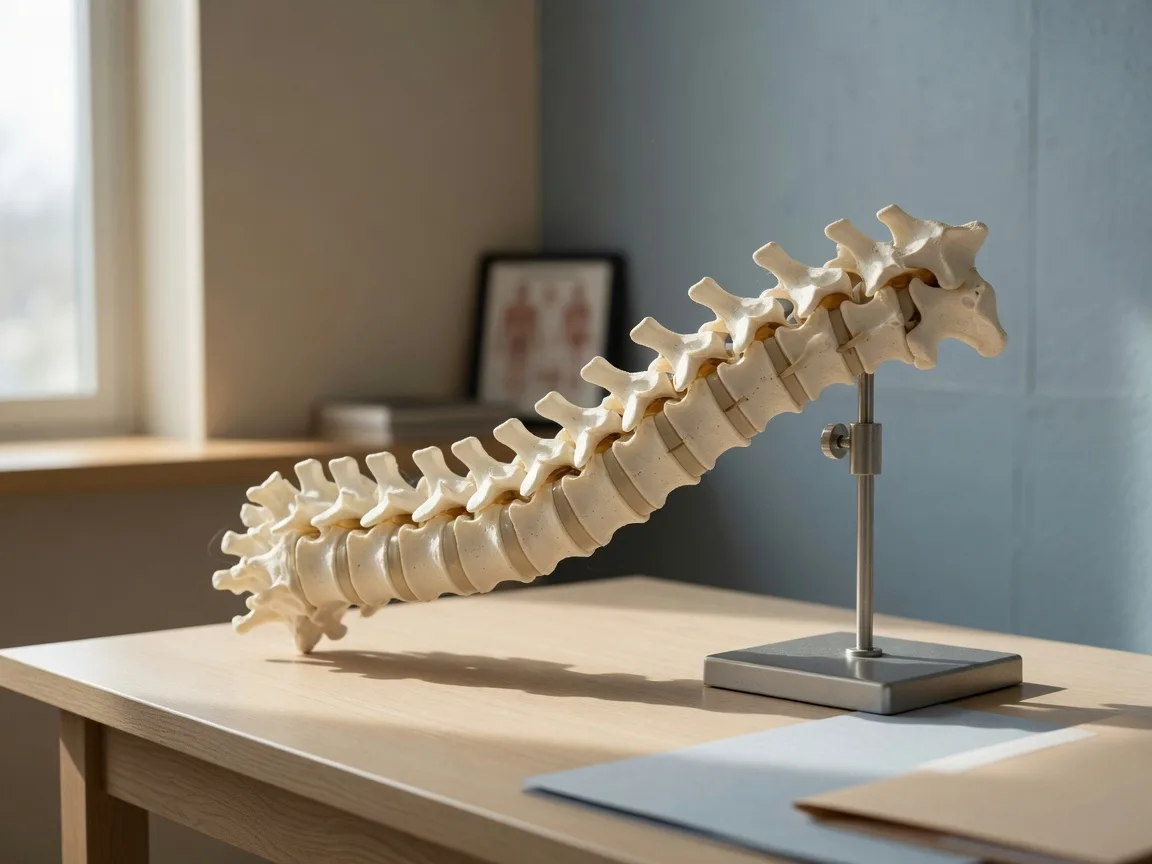
Sacroiliac (SI) joint pain comes from the joints where the base of the spine meets the pelvis, and it often shows up as one-sided low back or buttock pain that may spread into a leg or groin. Estimates in the medical literature suggest SI joint problems may be involved in 10 to 30 percent of low back pain cases. At Pamer Chiropractic Health Center at 3485 Fortuna Dr, Suite 300, Akron, OH 44312, an exam can help tell SI joint pain apart from disc or nerve problems, and non-surgical care may include chiropractic adjustments, physiotherapy and laser therapy; call (330) 724-9331.
What is the SI joint, and where is it?
The sacroiliac joints connect the sacrum, the triangular bone at the base of the spine, to the ilium, the upper part of the pelvis, with one joint on each side. They help transfer load between your upper body and your legs and act as shock absorbers when you walk.
Pain develops when one or both joints become irritated, too stiff or too loose. The result is usually felt low in the back or deep in the buttock, and it can be confused with disc or nerve pain.
How do I know if my pain is from the SI joint?
SI joint pain is often one-sided: pain and stiffness in the low back and buttock, sometimes spreading down a leg or into the groin. Mayo Clinic notes it may worsen with prolonged sitting or standing, climbing stairs, rising from a chair, or walking.
Because sciatica and disc problems can feel very similar, an exam is what separates them. The location and behavior of the pain are clues, not a diagnosis.
What causes SI joint pain?
Causes are multifactorial. They can include injury or trauma such as a fall, auto accident or heavy lift; pregnancy-related changes in the joints; arthritis, including inflammatory types such as ankylosing spondylitis; wear-and-tear osteoarthritis; and repetitive stress or muscle tightness from prolonged sitting or uneven movement patterns.
Often more than one factor is involved, which is why the history matters as much as the exam.
How Dr. Pamer evaluates SI joint pain
An evaluation starts with your history and an exam that checks how you move and where the pain reproduces. Imaging may be used when the exam shows it is needed.
The goal is to tell the SI joints apart from the discs, nerves and hip, so the plan is aimed at the right structure.
Non-surgical care that may help at the clinic
Mayo Clinic and the American Physical Therapy Association point to manual therapy and strengthening as first-line non-surgical care for SI joint problems. At Pamer Chiropractic, care may include chiropractic adjustments to help restore comfortable movement, physiotherapy and therapeutic exercise for core, pelvic and hip strength, and Class IV laser therapy to support pain and inflammation.
Home recommendations on sitting, standing and movement are part of the plan, and everything is explained in plain language before you start.
When to seek medical care right away
Emergency symptoms always come first: loss of bladder or bowel control, numbness in the groin or saddle area, sudden leg weakness, or severe pain after a major fall or crash mean call 911 or go to an emergency room. Fever with back pain also needs prompt medical attention.
For ongoing one-sided low back or buttock pain that is not improving, an evaluation is a reasonable next step, and no referral is needed to make an appointment.
What this means for you
If your low back or buttock pain is one-sided and flares with sitting, stairs or standing, SI joint involvement may be part of the picture. An exam can tell you what is actually going on and whether conservative care is a good fit before you consider anything more involved.
When to see a chiropractor or doctor
Call 911 for loss of bladder or bowel control, numbness in the groin area, sudden leg weakness, severe pain after a major fall or crash, or fever with back pain. For SI joint pain that is not improving, book an evaluation with Dr. Pamer.
Sources
Common questions
What is the difference between SI joint pain and sciatica?
SI joint pain usually stays in the low back and buttock and may spread into the leg, while sciatica follows the path of the sciatic nerve down the back of the leg. An exam can tell the two apart.
Can chiropractic care help SI joint pain?
Chiropractic care may help restore comfortable movement in the low back and pelvis. A first visit with Dr. Pamer includes an exam to see whether it fits your situation.
What makes SI joint pain worse?
Prolonged sitting or standing, climbing stairs, rising from a chair and some walking patterns can aggravate it, according to Mayo Clinic.
Is SI joint pain serious?
For most people it is not an emergency, but red-flag symptoms such as loss of bladder or bowel control, groin numbness or sudden leg weakness need emergency care. Ongoing pain deserves an evaluation.
Does insurance cover care for SI joint pain?
Medicare and many insurance plans are accepted, including Medical Mutual and CareSource plans. Coverage varies by plan, so call (330) 724-9331 and we will help you check your benefits.
What about financing?
Patient financing is available through Cherry and CareCredit, plus affordable self-pay options for care outside of insurance. See the <a href="/insurance-and-financing/">Insurance and Financing</a> page for details.
Last updated October 2026