
Health article
Sciatica: home care tips and when to see a chiropractor
By Pamer Chiropractic Health Center, Akron, Ohio
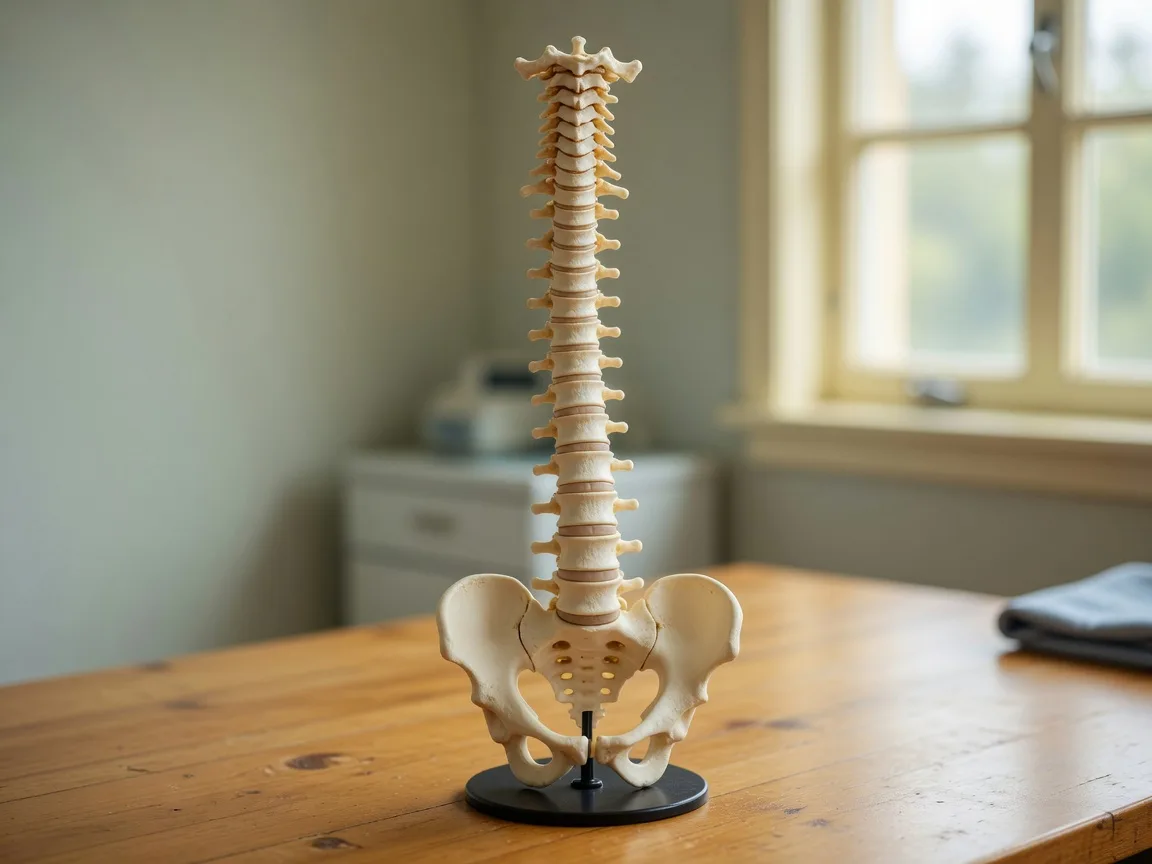
For sciatica at home, the basics are gentle movement, frequent breaks from sitting, and positions that take pressure off the nerve, while avoiding prolonged rest and heavy lifting. If pain is not settling within a couple of weeks, interferes with daily life, or is getting worse, a chiropractic evaluation makes sense. Pamer Chiropractic Health Center in Akron offers decompression, chiropractic care, and physiotherapy for sciatica, depending on the exam. Patients from Green, North Canton, Uniontown, Cuyahoga Falls, Barberton and other communities across Summit, Stark and Medina counties are welcome at the Akron office.
What is sciatica, again?
Sciatica is a pattern of symptoms, not a diagnosis: pain, numbness, tingling, or weakness that follows the sciatic nerve from the low back down the leg. It is almost always caused by pressure on a nerve root, most commonly from a disc, but muscle and joint patterns can contribute.
That is why the first question is never what to do about it, but what is doing it to you. The exam answers that.
Home care that helps
Stay gently active within comfort: short walks, movement breaks every hour, and positions that unload the nerve, like lying on your side with a pillow between your knees. Heat can relax tense muscles; some people prefer ice on a flare-up.
Avoid the classic aggravators: prolonged sitting, bending and lifting with a twisted spine, and sudden heavy exertions. Listen to your body and back off what makes the symptoms spread.
When home care is not enough
If pain is not improving after a couple of weeks of sensible self-care, is spreading or getting worse, or is keeping you from work and daily life, it is time for an evaluation. The same goes for numbness or tingling that is expanding.
An evaluation does not commit you to a plan; it tells you what is going on and what the options are, in plain language.
What a chiropractor can offer
Depending on the exam, care may include LaserDisc Non-Surgical Spinal Decompression when disc pressure is the driver, chiropractic adjustments to improve spinal motion, laser therapy for nerve-related pain, and physiotherapy to strengthen the supporting muscles.
Care is gradual, explained, and reviewed at every visit. Individual results vary, and outcomes are never promised.
Emergency signs are not optional
Loss of bladder or bowel control, numbness in the groin or saddle area, sudden weakness in a leg, or symptoms rapidly getting worse are emergencies. That means 911, not an appointment.
The red flag list is repeated on the sciatica condition page so it is easy to find.
What this means for you
Most sciatica improves with time, smart movement, and the right conservative care. Your job at home is to keep moving without provoking the nerve; the clinic's job is to find the source and match care to it.
When to see a chiropractor or doctor
See a chiropractor when sciatica is not improving after a couple of weeks of home care, affects your daily life, or includes new numbness or weakness. Call 911 for bladder or bowel changes, saddle numbness, or sudden leg weakness.
Sources
Common questions
Should I rest or stay active with sciatica?
A few days of reduced activity can help at the start, but prolonged bed rest is outdated advice. Gentle movement and position changes are usually better.
What position best relieves sciatica?
Many people find side-lying with a pillow between the knees comfortable, or lying on the back with a pillow under the knees. The right position depends on the source.
Can I exercise with sciatica?
Yes, with the right exercises. Walking and gentle strengthening are often fine; heavy lifting and high-impact jumps are usually not. Ask the clinic for a plan.
How long does sciatica usually last?
Most cases improve within a few weeks to a few months, but the timeline depends on the cause and the person. Individual results vary.
When is sciatica an emergency?
Immediately for loss of bladder or bowel control, numbness in the groin or saddle area, sudden leg weakness, or rapidly worsening symptoms.
Last updated October 2026