Health article
Sledding injuries: protecting kids' heads, necks and backs this winter in Ohio
By Pamer Chiropractic Health Center, Akron, Ohio
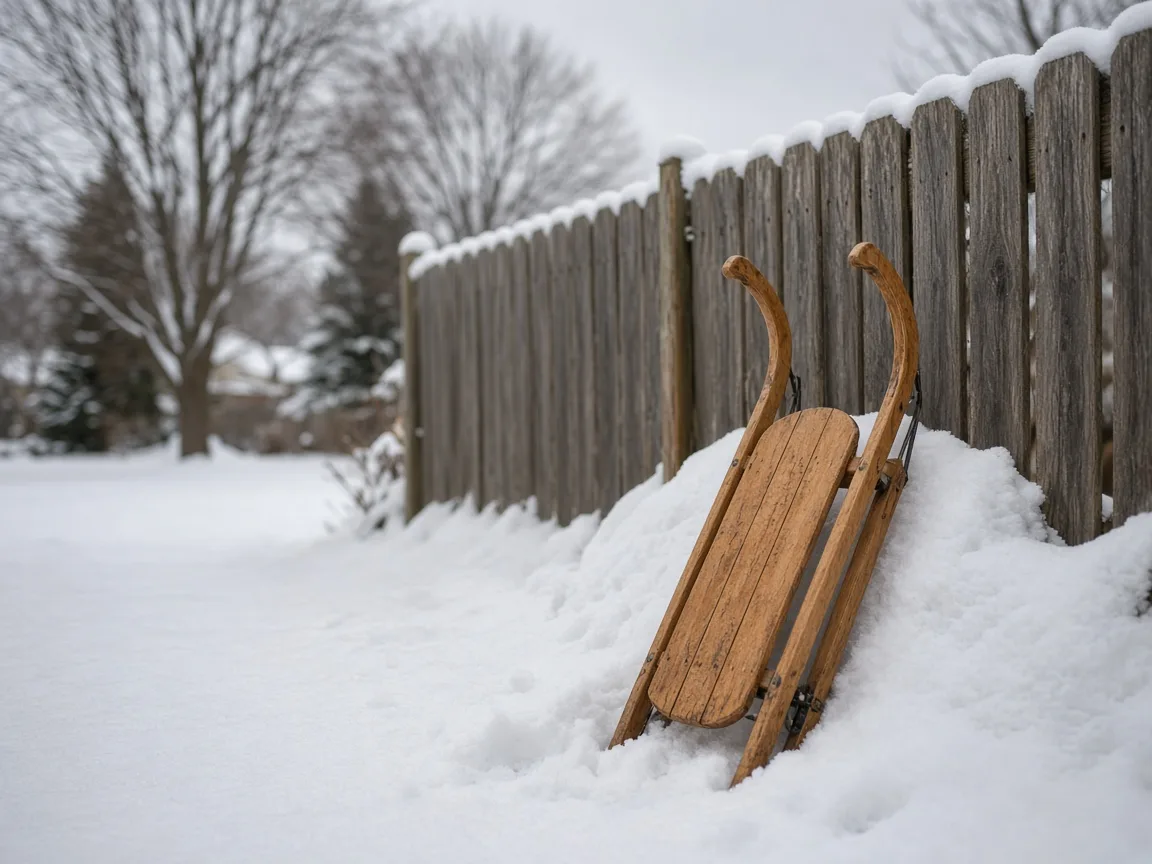
Sledding is one of winter's favorite family activities in Ohio, but the American Academy of Pediatrics reports that about 20,000 children are treated in U.S. emergency departments for sledding injuries each year, with head injuries among the most serious. Most sledding injuries are preventable with helmets, feet-first riding and safe slopes. If you or your child has neck or back pain after a sledding crash, an evaluation is a sensible next step, and Pamer Chiropractic Health Center in Akron, OH offers accident and injury care; call (330) 724-9331.
How common are sledding injuries?
The American Academy of Pediatrics reports about 20,000 children are treated in U.S. emergency departments for sledding injuries every year. Most injuries are bumps, bruises, cuts, sprains and fractures, and the head is the most frequently injured body part.
That does not mean sledding is off limits, but it does mean the right precautions matter, especially for younger children.
Why the head, neck and back need the most protection
A sled on packed snow can reach speeds around 25 miles per hour, and a crash into a tree, fence or another sledder happens fast. Head injuries are the most serious, and AAP-cited data noted by UPMC HealthBeat indicate that roughly 30 percent of children hospitalized after sledding had significant head injuries.
Sudden stops can also strain the neck and back. Whiplash-type symptoms from a sledding crash may not show up until hours or days later, which is why a fall that leaves the neck or back sore is worth a closer look.
AAP sledding safety rules, in plain language
The American Academy of Pediatrics recommends sledding feet-first or sitting up, never head-first, to protect the head and neck. It also recommends helmets, steerable sleds rather than snow disks or inner tubes, and adult supervision that keeps young children separated from older sledders.
Choose slopes away from roads, ponds and crowds, clear of trees and fences, not too steep, and with a flat runoff at the bottom. Avoid icy surfaces, and dress children in warm layers without loose scarves or drawstrings that could catch.
What to do after a sledding crash
Check for injuries first. For any serious injury, especially a possible head, neck or back injury, emergency care comes first, and you should not try to move someone who may have a neck or spine injury.
For milder crashes, watch for delayed symptoms: stiffness, pain or numbness that shows up over the following days can indicate a neck strain or back injury that deserves an evaluation.
How the clinic helps after winter injuries
Pamer Chiropractic Health Center offers accident and injury care for whiplash and crash-related neck and back pain. An evaluation can identify what is strained and what may help, including chiropractic care, laser therapy and physiotherapy.
Medicare and many insurance plans are accepted, and financing through Cherry and CareCredit is available for care outside of insurance. Coverage varies by plan, so call (330) 724-9331 and we will help you check your benefits.
When to seek medical care right away
Call 911 or go to an emergency room for loss of consciousness, confusion, vomiting, a severe headache, or numbness, tingling or weakness in the arms or legs after a fall or crash. Never move someone who may have a neck or spine injury.
For delayed neck or back pain after a sledding crash, an evaluation is a reasonable next step.
What this means for you
A little planning prevents most sledding injuries: helmets, feet-first riding and safe slopes. And if a crash does leave you or your child sore, an evaluation separates a simple bruise from something that needs care, so the season stays fun.
When to see a chiropractor or doctor
Call 911 for loss of consciousness, confusion, vomiting, severe headache, or numbness, tingling or weakness in the arms or legs after a fall or crash. For delayed neck or back pain after a sledding crash, book an evaluation with Dr. Pamer.
Sources
Common questions
How fast can a sled go?
A sled on packed snow can reach speeds around 25 miles per hour, fast enough for a serious injury in a crash.
Should my child wear a helmet while sledding?
The American Academy of Pediatrics recommends considering a helmet, since head injuries are the most serious sledding injuries.
Is it safe to sled head-first?
No. The AAP recommends sledding feet-first or sitting up, never head-first, to protect the head and neck.
My child hit their head sledding. What should I do?
Emergency care comes first: call 911 or go to an emergency room if there is loss of consciousness, confusion, vomiting or a severe headache.
Can chiropractic care help after a sledding crash?
Yes. The clinic offers accident and injury care for neck and back pain after falls and crashes, and an exam determines what fits your situation.
Does insurance cover accident care?
Medicare and many insurance plans are accepted, including Medical Mutual and CareSource plans. Coverage varies by plan, so call (330) 724-9331 and we will help you check your benefits. Financing through Cherry and CareCredit is also available.
Last updated October 2026