
Health article
Snow shoveling and winter back pain: protecting your lower back in Akron
By Pamer Chiropractic Health Center, Akron, Ohio
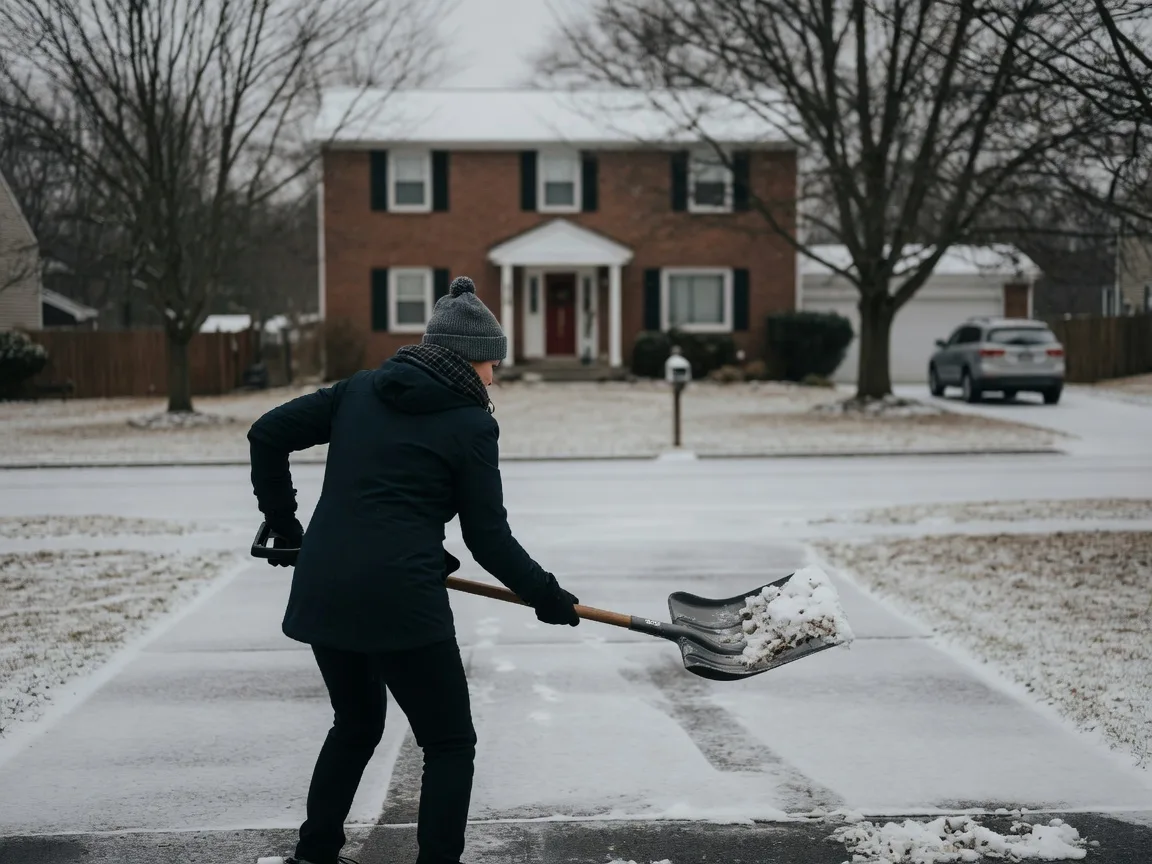
Snow shoveling is a classic winter cause of acute lower back strain, and it sends thousands of people to emergency departments in the United States every year. The good news is that most shoveling-related back pain is preventable with the right technique and responds to conservative care. At Pamer Chiropractic Health Center at 3485 Fortuna Dr, Suite 300, Akron, OH, Dr. Andrew Pamer can evaluate back pain after shoveling and build a plan that may include chiropractic care, laser therapy or physiotherapy; call (330) 724-9331 to get started. Patients from Green, North Canton, Uniontown, Cuyahoga Falls, Barberton and other communities across Summit, Stark and Medina counties are welcome at the Akron office.
Why shoveling is so hard on the lower back
Shoveling combines heavy lifting with bending and twisting, repeated load after load in cold weather when muscles are stiff. The lower back takes most of that strain, which is why it is the most commonly injured body region in snow-shoveling incidents.
Add a slippery driveway, a heavy load of wet snow, and a twist to toss it over your shoulder, and the recipe for a back strain is complete.
What the research shows about snow shoveling injuries
A national study by researchers at Nationwide Children's Hospital in Columbus, Ohio estimated about 11,500 emergency department visits a year in the United States for snow-shoveling-related injuries between 1990 and 2006. The lower back was the most frequently injured body part, and soft tissue injuries such as strains were the most common diagnosis.
The study is national, but it was run by an Ohio research institution, and winter weather makes it a yearly reality across Summit, Stark and Medina counties. People over 55 are injured most often, and most incidents happen around the home.
How to shovel without hurting your back
Treat shoveling like a workout: warm up first with a few minutes of walking or light stretching. Use a shovel with a curved or adjustable handle and a lightweight blade, and push snow rather than lifting it whenever you can. When you do lift, take small loads, face the snow squarely, bend at the knees and hips, and lift with your legs.
Do not twist your spine to throw the snow: pivot your whole body with your feet instead, and toss the snow close and low. Take frequent breaks, shovel in rounds during a heavy snowfall rather than once at the end, and consider a snow blower or a removal service for deep snow.
If your back hurts after shoveling, what helps
For most people, gentle movement beats bed rest: short walks and changing position often. Heat can relax tense muscles, and good sleep and staying hydrated support recovery.
If pain is not settling after a few days or keeps coming back, an evaluation can find what is driving it. At the clinic, care may include chiropractic adjustments to restore spinal motion, Class IV laser therapy for pain and inflammation, and physiotherapy to strengthen the muscles that support your spine. Medicare and many insurance plans are accepted, and financing is available through Cherry and CareCredit.
When to seek medical care right away
Chest pain, pressure, shortness of breath or nausea during or right after shoveling can be a heart emergency: call 911. Shoveling is heavy aerobic work, and anyone with heart disease, high blood pressure or a history of back problems should talk to a doctor before tackling deep snow.
Sudden severe back pain with loss of bladder or bowel control, numbness in the groin area, or weakness in a leg is also an emergency, as is severe pain after a fall on ice. For everyday back pain that is not improving after a few days, an evaluation with Dr. Pamer is a sensible next step.
What this means for you
A little planning makes shoveling much safer: warm up, push rather than lift, take small loads, and stop when your back complains. If you do hurt yourself, most back strain settles with gentle movement and time, and an evaluation can confirm nothing more serious is going on.
When to see a chiropractor or doctor
Chest pain or pressure during or right after shoveling, sudden severe back pain with loss of bladder or bowel control, numbness in the groin area, or weakness in a leg are emergencies: call 911. For back pain that is not improving after a few days, an evaluation with Dr. Pamer is a sensible next step.
Sources
Common questions
Can shoveling snow cause a back injury?
Yes. Shoveling combines heavy lifting with bending and twisting, and the lower back is the most commonly injured body region in snow-shoveling incidents. Using good technique and taking breaks lowers the risk.
Should I see a chiropractor after shoveling hurts my back?
If back pain from shoveling is not settling after a few days, an evaluation is a reasonable next step. Dr. Pamer can assess what is causing the pain and build a conservative plan.
Is it better to push or lift snow?
Pushing snow with the shovel instead of lifting it puts far less strain on your back. When you do lift, take small loads, bend at the knees and hips, and avoid twisting.
Does the clinic accept Medicare and insurance?
Medicare and many insurance plans are accepted, including Medical Mutual and CareSource plans. Coverage varies by plan. Call (330) 724-9331 and we will help you check your benefits.
How do I book an appointment?
Request an Appointment online or call (330) 724-9331. The office is at 3485 Fortuna Dr, Suite 300, Akron, OH 44312.
Last updated October 2026