Health article
Spinal decompression vs. surgery for a herniated disc: what to consider
By Pamer Chiropractic Health Center, Akron, Ohio
For most people with a herniated disc, conservative care is the first recommended step, and surgery is reserved for specific situations such as progressive leg weakness or symptoms that do not settle. Non-surgical spinal decompression is one conservative option that may help reduce pressure on a disc and the nerves beside it, but it is not a substitute for surgery when surgery is genuinely needed. At Pamer Chiropractic Health Center in Akron, OH, Dr. Andrew Pamer reviews your imaging and exam before recommending anything; call (330) 724-9331. Patients from Green, North Canton, Uniontown, Cuyahoga Falls, Barberton and other communities across Summit, Stark and Medina counties are welcome at the Akron office.
What is the difference between decompression and surgery?
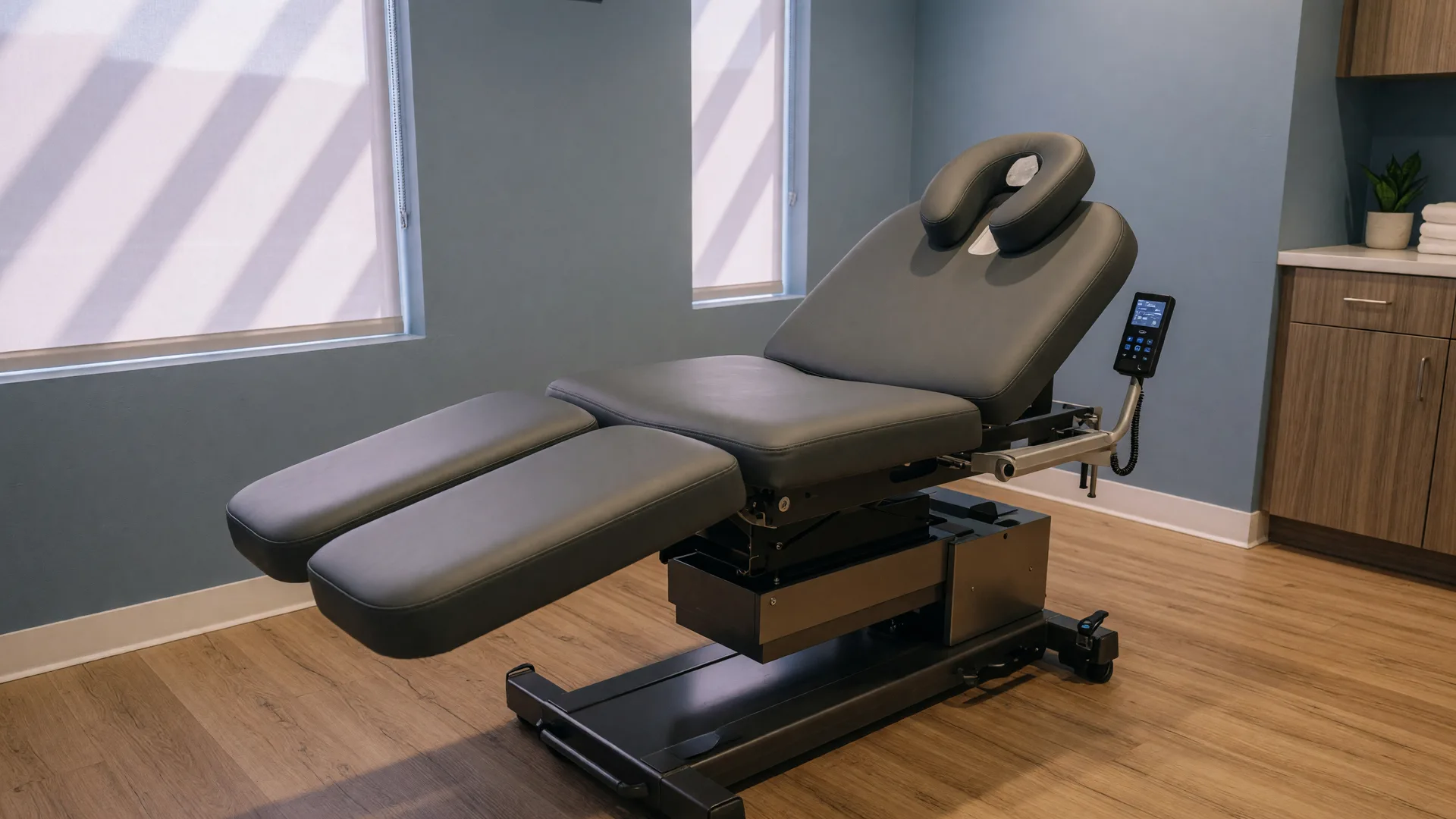
Spinal decompression is a conservative, non-surgical treatment: you lie on a computer-controlled table that gently stretches the spine through a precise cycle, reducing pressure on the disc and nerve roots. Surgery, by contrast, directly removes or trims the disc material that is pressing on a nerve, and it always carries the risks of any operation.
The two approaches share a goal, less pressure on the nerve, but they are very different in risk, recovery and what they can accomplish. That is why the decision starts with imaging and an exam, not with a preference for one or the other.
When is surgery clearly the right choice?
A 2025 systematic review of indications for surgery versus conservative care found that new or progressive motor weakness is the most consistent reason to consider surgery for a lumbar disc herniation. Loss of bladder or bowel control, a condition called cauda equina syndrome, and severe, unrelenting nerve pain that does not respond to conservative care are also situations where surgery is commonly recommended.
When these signs are present, conservative care has a limited role and waiting can matter. Discuss any of these symptoms with a surgeon or emergency provider promptly; do not delay on a treatment comparison article.
What does the evidence say about conservative care first?
Most people with a herniated disc improve with conservative care over time, which is why first-line recommendations from groups like NICE and the National Institute of Neurological Disorders and Stroke start with conservative options for most people. A 2024 systematic review of chronic sciatica found only a small number of eligible trials comparing surgery with conservative management.
A 2026 systematic review in Brain and Spine reported that surgery tends to relieve symptoms and return people to work faster, while long-term outcomes tend to converge with conservative care for many patients. In plain terms: surgery is not automatically better in the long run, and most people have time to try conservative care first.
What does the research show about decompression specifically?
The evidence on non-surgical decompression is honest but mixed. A 2022 randomized trial in BMC Musculoskeletal Disorders found that adding non-surgical decompression to routine physical therapy produced greater improvements in pain and disability than physical therapy alone for people with lumbar radiculopathy. Broader reviews of stretch-based traction treatments have concluded they are no more effective than sham or other conservative care, so decompression is best viewed as one reasonable option for the right candidate, not a guaranteed fix.
There is no rigorous study that shows decompression matches surgery for people who actually need surgery. The honest summary is that conservative care, including decompression when appropriate, is a reasonable first step for many people, and individual results vary.
How Dr. Pamer approaches your case
The first step is a consultation and exam, with imaging reviewed when you have it. If your history and imaging point to disc pressure, Dr. Pamer can explain whether LaserDisc Non-Surgical Spinal Decompression, the clinic's ReliefNow Laser Method program that pairs decompression with Class IV laser therapy, is a reasonable option for you.
If your situation points toward surgery or another specialist, he will tell you that too, and co-manage with your surgeon or primary care provider. The herniated and bulging disc page and the sciatica page describe the conditions behind these decisions in more detail.
What a decision looks like in practice
Most people do not need to choose overnight. If your symptoms are stable and you have no red flags, a reasonable path is a trial of conservative care with a clear plan, a time frame, and a review of whether it is working. If symptoms worsen, a surgeon's opinion becomes more relevant.
Second opinions are normal and encouraged. A good care team, including your chiropractor and your surgeon, should agree on what the imaging shows and what the options are. More detail on how sessions are structured is on the LaserDisc FAQ page.
When to seek medical care right away
Call 911 or go to an emergency room for loss of bladder or bowel control, numbness in the groin or saddle area, sudden or progressive weakness in a leg, or severe pain after a major fall or crash. These are emergency signs, not reasons to try one more conservative option.
For stable disc-related pain that has not improved, an evaluation with Dr. Pamer is a sensible next step, and insurance and financing details are on the insurance and financing page.
What this means for you
If you have been told you have a herniated disc, you usually have time to consider your options. Conservative care, including decompression when the exam supports it, is a reasonable first step for many people, while surgery is most clearly indicated for progressive weakness or symptoms that will not settle. The right next move is an exam and imaging review, not a rushed decision.
When to see a chiropractor or doctor
Call 911 for loss of bladder or bowel control, groin numbness, sudden leg weakness, or severe pain after a major fall or crash. For stable disc-related pain, an exam and imaging review with Dr. Pamer can clarify whether conservative care, including LaserDisc decompression, fits your case.
Sources
- MedlinePlus: Herniated Disk
- Brain and Spine: Surgery for Lumbar Disc Herniation, Systematic Review and Meta-Analysis (2026)
- Interdisciplinary Neurosurgery: Indications for Surgery vs. Conservative Treatment (2025)
- BMC Musculoskeletal Disorders: Non-Surgical Decompression Therapy RCT (2022)
- NICE: Low Back Pain and Sciatica Guideline
Common questions
Do I need surgery for a herniated disc?
Most people with a herniated disc improve with conservative care over time. Surgery is most clearly recommended for progressive leg weakness, cauda equina symptoms, or severe pain that does not settle with conservative care.
Can spinal decompression prevent surgery?
No one can promise that. Decompression is one conservative option that may help some people improve without surgery, but outcomes vary and not everyone is a candidate.
How do I know if I am a candidate for decompression?
Candidacy is decided by an exam and imaging review. People with certain conditions or implants may not be candidates, which is why the exam comes first.
How long does a herniated disc take to heal?
Recovery times vary widely, from weeks to a few months for many people. Your exam and response guide the timeline; no one can promise a specific recovery time.
Is it okay to try conservative care before seeing a surgeon?
For stable symptoms without red flags, conservative care first is a common and reasonable path. If symptoms worsen, involve a surgeon promptly.
Does the clinic accept Medicare and insurance for this care?
Medicare and many insurance plans are accepted, including Medical Mutual and CareSource plans. Coverage varies by plan. Call (330) 724-9331 and we will help you check your benefits.
Last updated October 2026