
Health article
Does cold weather make back pain worse? What the research says for Ohio winters
By Pamer Chiropractic Health Center, Akron, Ohio
For most people, the research says cold air alone does not reliably trigger back or neck pain, but winter clearly changes the things that do: less movement, more sitting, stiffer muscles and the sudden strain of lifting and shoveling. A 2024 analysis of more than 15,000 people found no direct link between temperature and pain flares, while studies of people who work outdoors in the cold find higher rates of neck and back pain. At Pamer Chiropractic Health Center, 3485 Fortuna Dr, Suite 300, Akron, OH 44312, Dr. Andrew Pamer, DC, helps patients from Akron, Green, North Canton, Uniontown, Cuyahoga Falls and Barberton manage winter back and neck pain with chiropractic care, physiotherapy and Class IV laser therapy. Request an Appointment online or call (330) 724-9331.
What does the research actually say about cold and pain?
The honest answer is that cold air alone does not reliably cause back or neck pain. A 2024 analysis by University of Sydney researchers that tracked more than 15,000 people found no direct link between temperature, humidity or air pressure and pain flares in the back, knees or hips. Many people with chronic pain believe the cold makes it worse, and it can feel that way, but the evidence for temperature as the direct trigger is thin.
That does not mean winter is pain-free. The same analysis noted that very cold temperatures were rarely studied, and separate research on people who work in the cold, like construction crews, finds higher odds of neck and back pain even after adjusting for workload. Wind speed has also shown a modest link to episodes of low back pain in a case-crossover study. The picture is nuanced: winter is hard on backs, but mostly because of behavior and strain, not the thermostat.
Why winter can be harder on your back anyway
Movement drops in the winter. Shorter days, icy sidewalks and months of indoor sitting mean less walking, stretching and general conditioning, and a deconditioned back is more easily strained by ordinary tasks. The holiday season then piles on long car rides, heavy boxes and hours of standing, often after weeks of relative inactivity.
Cold can also make muscles and joints feel tighter. Orthopedic experts point to narrowed blood vessels and thicker joint fluid in cold weather, which can leave muscles stiffer and joints less fluid, especially in the morning or after sitting still. Dressing warmly and warming up before activity are small habits that help.
The snow shoveling connection in Ohio
Shoveling is the most familiar winter back injury in Akron and across Summit, Stark and Medina counties. It combines heavy lifting with twisting and cold, stiff muscles, often first thing in the morning. Push snow rather than throw it, lift with your legs, switch sides regularly and take breaks. If you have health concerns, check with your doctor before tackling heavy shoveling.
Our snow shoveling and winter back pain article walks through the full checklist for protecting your lower back.
What helps: movement, warmth and the right kind of care
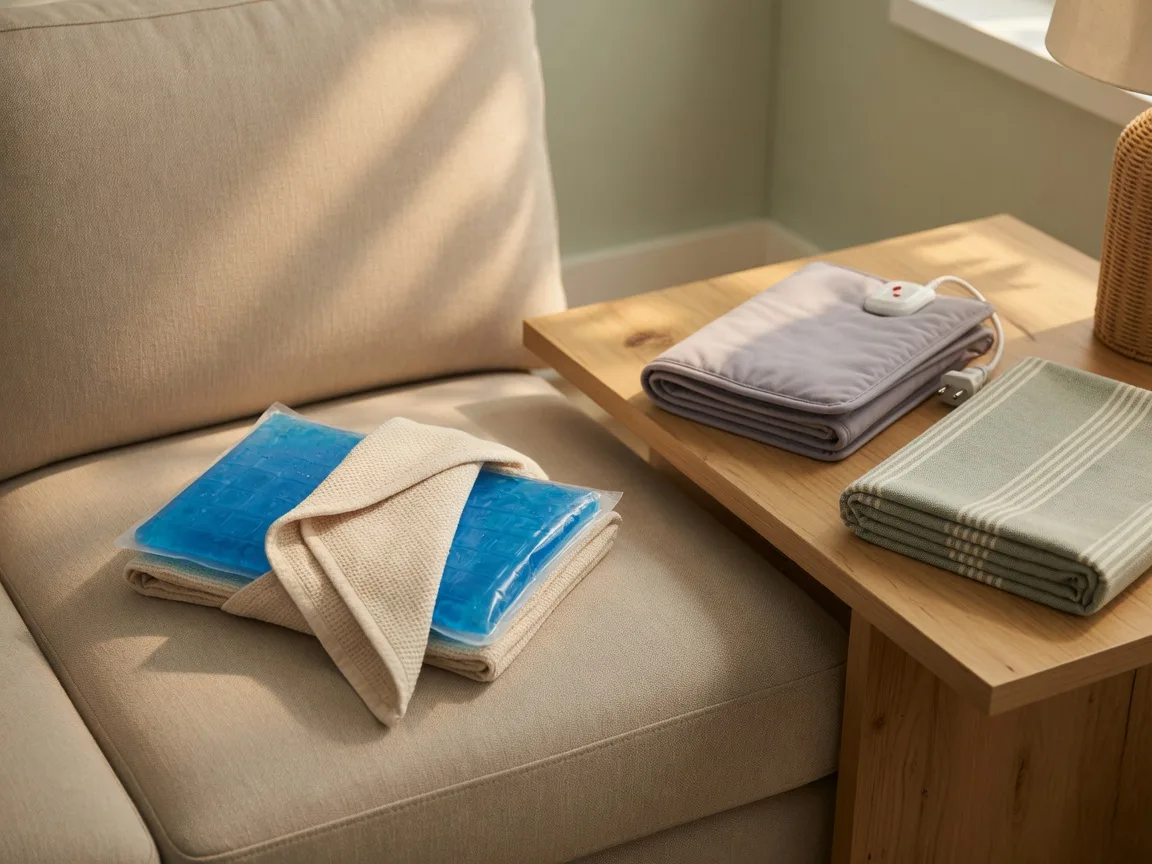
Keep moving through the winter. Even a 20 minute walk on a cleared sidewalk, a few minutes of stretching before you lift or shovel, and standing up from the desk every hour protect the spine more than any single treatment. Heat can ease stiff muscles before activity, and ice can calm a sore spot afterward; our ice or heat guide explains which to choose and when.
When pain lingers, care can help. Depending on your exam, Dr. Pamer may combine chiropractic care, physiotherapy and Class IV laser therapy through the ReliefNow Laser Method. The clinic accepts Medicare and many insurance plans, including Medical Mutual and CareSource plans. Coverage varies by plan, and the front desk will help you check your benefits.
When to see a chiropractor for winter back or neck pain
A few days of soreness after shoveling or lifting usually settles with gentle movement and ice or heat. See a chiropractor when pain lasts more than a week or two, keeps you from normal activities, or travels down a leg or arm. Dr. Pamer starts with a conversation and an exam so you understand what is going on and what may help.
People who work outside in the cold, drive long commutes or have a history of back trouble can also benefit from a check-in before the hardest winter weeks. The low back pain and neck pain pages describe common patterns and what an evaluation covers.
What this means for you
Winter does not need to be a season of back pain. Keep moving, warm up before heavy tasks, lift with your legs and get help when pain does not settle. The next step is simple: request an appointment online or call (330) 724-9331, and the team at the Akron office will help you check your benefits and get started.
When to see a chiropractor or doctor
Call 911 or go to an emergency room if back pain comes on after a major fall or crash, or is accompanied by loss of bladder or bowel control, numbness in the groin area, or sudden weakness in a leg. See a doctor promptly rather than waiting if you have severe pain that does not improve, fever with back pain, or pain that is getting markedly worse.
Sources
Common questions
Can cold weather cause back pain?
Research has not found a direct link between temperature and pain flares for most people, but winter habits, less activity and cold stiffness can make backs more vulnerable. What matters is protecting your back during winter tasks and getting care when pain lingers.
Why does my back hurt more in winter?
Less movement, more sitting, heavier lifting, shoveling and cold stiffness all add up. A 2024 analysis of more than 15,000 people found no direct weather link, but people who work in the cold do report more neck and back pain, so strain seems to matter more than temperature.
Is shoveling snow bad for your back?
Shoveling is a common cause of winter back strain because it combines heavy lifting with twisting. Push rather than throw, lift with your legs, take breaks and warm up first.
Is heat or cold better for winter aches?
Heat can relax stiff muscles before activity, and ice can calm a sore area afterward. The right choice depends on timing and the type of pain; our ice or heat article walks through it.
When should I see a chiropractor for winter back pain?
If pain lasts longer than a week or two, interferes with daily life or travels down a leg or arm, an exam is a reasonable next step. Call (330) 724-9331 or request an appointment online.
Last updated October 2026