
Health article
Degenerative disc disease in the lower back: what it is and when to seek care
By Pamer Chiropractic Health Center, Akron, Ohio
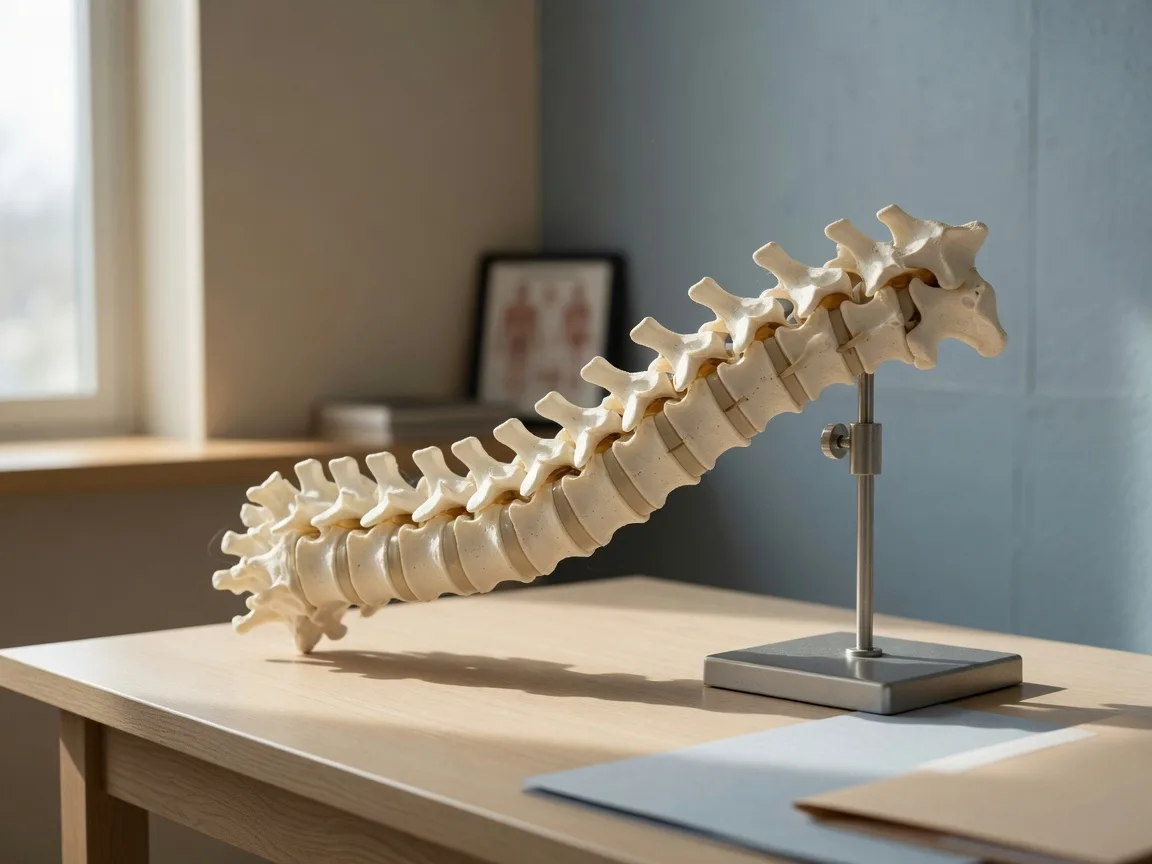
Degenerative disc disease is the gradual wear of the rubbery discs between the vertebrae, a common part of the aging process that often causes no symptoms at all. When it does cause problems, it usually shows up as low back pain, stiffness, or pain that travels into the leg, and most people improve with conservative, non-surgical care. At Pamer Chiropractic Health Center, 3485 Fortuna Dr, Suite 300, Akron, OH, Dr. Andrew Pamer, DC evaluates disc-related back pain and explains what may help. Request an Appointment online or call (330) 724-9331.
What is degenerative disc disease?
The spine is built from vertebrae stacked on top of each other, with soft discs between them that act as cushions and shock absorbers. As part of normal aging, those discs slowly lose water and height and can develop small tears, which is what the National Institutes of Health describes as disc degeneration. The name sounds more alarming than it usually is: disc changes show up on many imaging scans in people who have no pain at all.
Degenerative disc disease is not a disease with a single cause. It is a description of wear over time, and it often shows up alongside other age-related changes such as arthritis or spinal stenosis.
Common symptoms of disc degeneration in the lower back
When disc wear in the lower back does cause symptoms, people often describe a dull, aching low back pain, stiffness, and trouble standing up straight. The pain can spread into the buttock, hip or leg, and some people notice tingling, burning or weakness in a leg or foot when a nerve is involved.
Symptoms tend to flare with certain positions and settle with others, and they can come and go over weeks or months. Pain that follows the course of the sciatic nerve is covered on the sciatica page. And because many people with disc changes have no symptoms, the exam has to figure out whether your disc wear is actually the thing driving your pain.
Possible causes: aging plus a mix of factors
Aging is the main factor in disc wear, but it is not the whole story. Genetics play a role in how quickly discs break down, and past injuries, heavy lifting over time, and conditions that affect the spine can all contribute. Disc degeneration is also more common in people who have arthritis or spinal stenosis.
The practical point is that disc wear usually cannot be pinned to one cause, and it is rarely something you caused by any single habit or lift. The useful conversation is about what to do next, not who to blame.
How Dr. Pamer evaluates disc-related back pain
The evaluation starts with your history: how the pain started, what makes it better or worse, and whether it travels down a leg. The exam checks posture, motion, strength and reflexes, and X-rays may be taken when the exam shows they are needed.
If your symptoms and imaging suggest that something outside chiropractic care deserves attention, such as concerning nerve findings or an unrelated cause, Dr. Pamer will say so plainly and recommend the right next step, which may include your primary care provider.
Non-surgical care that may help at the clinic
Most low back pain improves with conservative care, and staying reasonably active is part of that picture. At the clinic, chiropractic care can address stiffness and restricted motion in the joints of the spine, and physiotherapy adds exercises to strengthen the muscles that support the back.
For disc-related pain with radiating symptoms, LaserDisc Non-Surgical Spinal Decompression is the clinic's ReliefNow Laser Method program, pairing motorized decompression with Class IV laser therapy. Whether it is a fit for you is decided by the exam, not by a promise. The difference between a herniated and a bulging disc is explained in our article on the topic, and both are covered on the herniated and bulging disc page.
Medicare and many insurance plans are accepted, including Medical Mutual and CareSource plans, and patient financing is available through Cherry and CareCredit. Coverage varies by plan; call (330) 724-9331 and the front desk will help check your benefits.
What the research shows in plain language
The National Institutes of Health and MedlinePlus describe conservative care as the usual first step for low back pain: staying active, physical therapy and exercise, and medicine for pain and inflammation when appropriate. Most people with low back pain improve over time, and surgery is reserved for specific situations such as nerve compression that does not respond to conservative care.
Disc wear itself is not the same thing as a surgical problem. In most cases the goal is to manage symptoms and keep you moving, which is what conservative chiropractic care, decompression and physiotherapy are designed to support. Individual results vary, and Dr. Pamer will be straight with you about what is realistic.
What this means for you
A diagnosis like "degenerative disc disease" sounds final, but disc wear is common and only sometimes the actual source of your pain. The useful question is what can be done about your specific symptoms, and a conservative plan of chiropractic care, physiotherapy or decompression may be part of the answer. If imaging shows your disc changes are not the main problem, Dr. Pamer will say so and point you to the right next step.
When to see a chiropractor or doctor
Call 911 or go to an emergency room for back pain with loss of bladder or bowel control, numbness in the groin or saddle area, sudden weakness in a leg, severe pain after a major fall or crash, or fever along with back pain. If back pain is severe or is not improving after a few days, an evaluation is a reasonable next step, and staying in bed for more than a day or two usually makes back pain worse.
Sources
Common questions
Is degenerative disc disease serious?
Usually not urgent by itself. Disc wear is a common part of aging, and many people with it have no symptoms. When it does cause pain, conservative care helps most people, and red-flag symptoms like loss of bladder or bowel control require urgent care.
Can chiropractic care help with disc degeneration?
It may. Chiropractic care can address spinal stiffness and restricted motion, physiotherapy adds supportive exercise, and decompression pairs a gentle stretch with laser therapy for disc-related pain. The exam decides what fits you.
Does degenerative disc disease mean I need surgery?
Not usually. Most people with low back pain improve with conservative, non-surgical care, and surgery is reserved for specific situations like nerve compression that does not respond. Talk through your options with Dr. Pamer and your primary care provider.
What is the difference between disc degeneration and a herniated disc?
Degeneration is long-term wear on the disc over time. A herniation is a more specific event in which disc material bulges or pushes out and can irritate a nerve. They are related and can overlap, and our article on the difference covers both.
Should I stay in bed with low back pain?
No. The NIH advises against more than a day or two of bed rest, because staying still makes back pain worse. Gentle activity, guided by your provider, is usually the better path.
How do I book an appointment?
Request an Appointment online or call (330) 724-9331. The office is at 3485 Fortuna Dr, Suite 300, Akron, OH 44312.
Last updated October 2026