Health article
How long does a herniated disc take to heal?
By Pamer Chiropractic Health Center, Akron, Ohio
For most people, a herniated disc improves significantly within 6 to 12 weeks of conservative care, and many feel meaningfully better sooner. The disc itself can take longer to settle, so patience and consistent, gentle care matter. At Pamer Chiropractic Health Center, 3485 Fortuna Dr, Suite 300, Akron, OH, Dr. Andrew Pamer, DC evaluates each case and explains what may help. Request an Appointment online or call (330) 724-9331.
What a herniated disc is
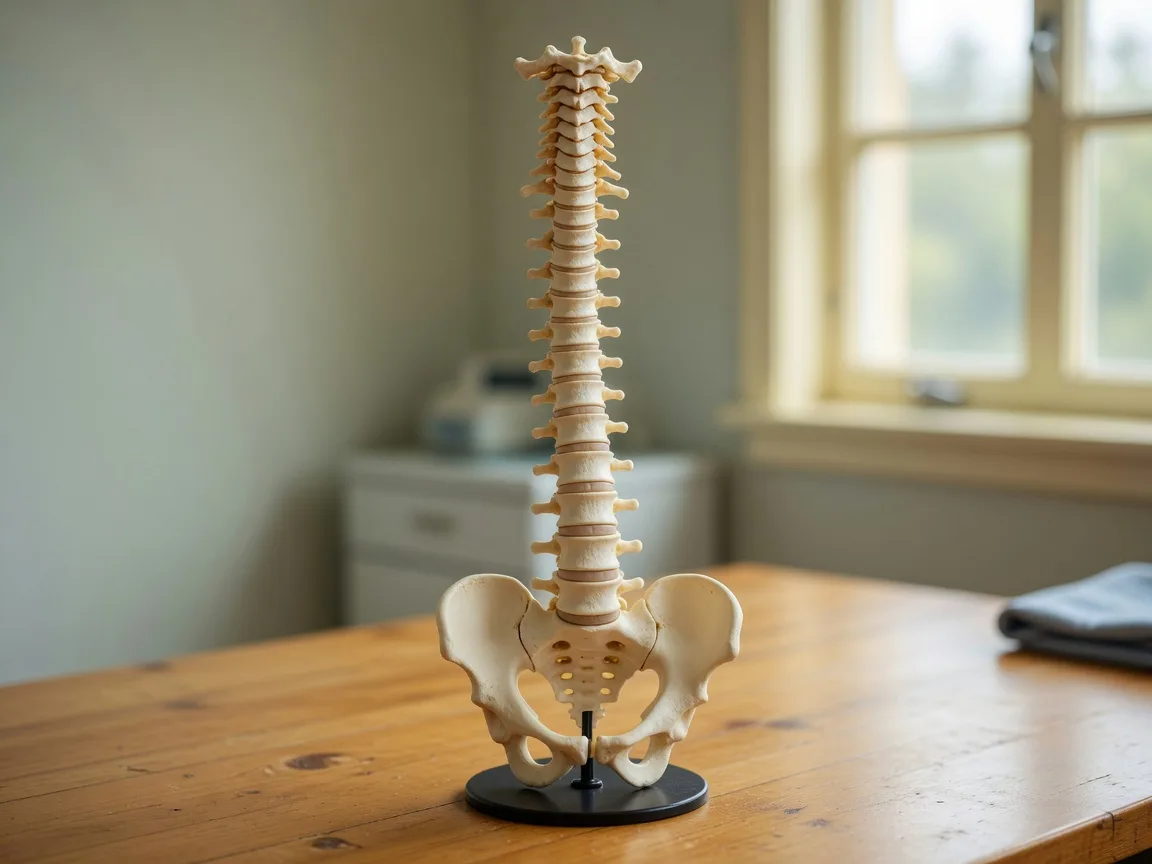
Between the bones of the spine sit discs with a tough outer ring and a soft center. When the outer ring tears, the soft center can push out, and that is a herniated disc. If the center stays intact but the disc bulges outward, it is called a bulging disc. You can read about the difference in our article on herniated vs. bulging discs.
The location and size of the herniation, and how much it touches nearby nerves, shape your symptoms. That is why the same diagnosis can look very different from one person to the next.
The typical recovery timeline
Recovery is rarely one straight line. Many people notice symptoms easing within the first few weeks as inflammation settles, and most see significant improvement within 6 to 12 weeks of conservative care. The majority of people with a herniated disc recover without surgery over the longer term.
The structural disc can keep changing for many months, so symptoms improving does not mean the tissue has fully healed. Individual results vary widely, and your age, the disc's location, how long symptoms have been present and what aggravates the disc all play a role.
What tends to help recovery
A short rest period of a day or two, then a gradual return to normal activity, is the usual advice, because prolonged bed rest tends to slow recovery. Gentle movement, avoiding the positions that aggravate your pain, and conservative care can all play a part.
At this clinic, care may include chiropractic adjustments, LaserDisc Non-Surgical Spinal Decompression, Class IV laser therapy and physiotherapy, depending on your exam. These are options to discuss with Dr. Pamer, not promises.
What can slow recovery or complicate it
Staying in bed for days, doing heavy lifting or twisting before you are ready, and ignoring worsening nerve symptoms can all slow progress. Smoking and a very sedentary routine are associated with slower disc recovery, so everyday habits play a real role.
Keep your primary care provider in the loop, especially if you have health conditions that affect healing or if you are considering any new treatment.
When surgery comes up
Surgery is generally discussed only after several weeks of conservative care without improvement, or when there are progressive nerve problems. Most people with a herniated disc do not need surgery. No provider can promise you will avoid it, and the decision is made with your doctor based on your imaging, your symptoms and your goals. For an overview of the options, see our herniated and bulging disc page.
What this means for you
If your herniated disc symptoms are improving, keep doing what is working and give it time. If they are not improving after several weeks, or if they interfere with daily life, an evaluation is a reasonable next step.
When to see a chiropractor or doctor
Call 911 or go to an emergency room for loss of bladder or bowel control, numbness in the groin or saddle area, sudden or progressive leg weakness, or severe pain after a major fall or crash. For a disc that is slow to improve, request an evaluation with Dr. Pamer.
Sources
Common questions
Can a herniated disc heal on its own?
Most herniated discs improve with conservative care over time, and the body can reabsorb disc material over many months. Improvement does not guarantee complete recovery, but most people do well without surgery.
How long does a herniated disc take to heal?
Most people improve significantly within 6 to 12 weeks of conservative care, though structural healing can take longer. Individual results vary.
Does chiropractic care help a herniated disc?
Gentle chiropractic care may help some people with disc-related pain. An exam and imaging review determine whether it is appropriate for you.
Is spinal decompression right for my herniated disc?
LaserDisc Non-Surgical Spinal Decompression pairs decompression with Class IV laser therapy and may help some people. Candidacy is decided by the exam.
How many decompression sessions will I need?
The number depends on your exam and response. Dr. Pamer outlines a plan after your evaluation and reviews it at every visit.
When should I consider surgery?
Surgery is usually discussed only after conservative care has not helped for several weeks or when nerve problems are worsening. Talk with your doctor about imaging and your specific symptoms.
Last updated October 2026